The Hidden Threat in Your Happy Hour: Glyphosate Contamination in Beer and Wine
When you reach for a beer or glass of wine to unwind, the last thing on your mind is likely the presence of a controversial herbicide linked to brain fog, digestive issues, and serious neurological damage. Yet mounting evidence from credible testing agencies reveals that glyphosate--the active ingredient in Roundup weedkiller--has infiltrated the vast majority of popular alcoholic beverages, turning what should be a moment of relaxation into an unwitting exposure to a potentially harmful chemical.
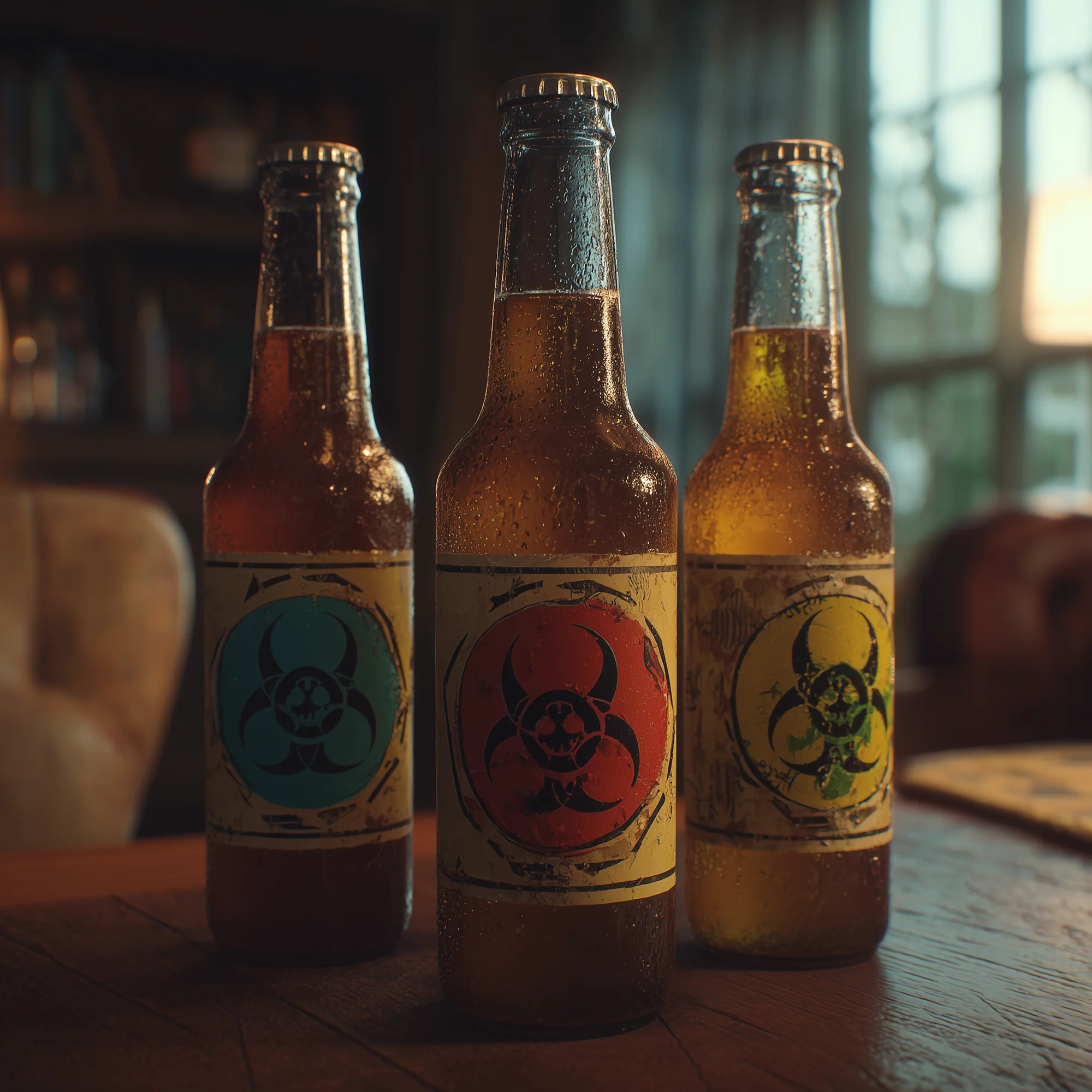
Widespread Contamination Confirmed by U.S. PIRG Testing
In 2019, the U.S. Public Interest Research Group (U.S. PIRG), a consumer advocacy organization, conducted comprehensive testing that sent shockwaves through the beverage industry. Their study examined 20 popular beer and wine brands--including household names like Budweiser, Coors Light, Miller Lite, Corona, Heineken, Sutter Home, and Beringer--and detected glyphosate in 19 of 20 products tested.[1][2][3]
The contamination levels varied significantly across beverages. Sutter Home Merlot contained the highest concentration at 51.4 parts per billion (ppb), while Beringer Founders Estates Moscato and Barefoot Cabernet Sauvignon showed 42.6 ppb and 36.3 ppb respectively. Among beers, Tsingtao topped the list at 49.7 ppb, followed by American favorites Coors Light (31.1 ppb), Miller Lite (29.8 ppb), and Budweiser (27.0 ppb).[3]
Perhaps most troubling was the finding that even organic beverages weren't immune to contamination. Three of the four organic alcoholic beverages tested contained detectable glyphosate levels, including Inkarri Malbec (5.3 ppb) and Samuel Smith's Organic Lager (5.7 ppb). The only beverage that tested clean was Peak Beer Organic IPA. These findings suggest cross-contamination during farming or production processes, as organic certification strictly prohibits glyphosate use.[2][4][1][3]
The Neurotoxic Reality: Brain Fog and Cognitive Decline
Beyond the initial shock of finding weedkiller in beverages lies a more disturbing reality: glyphosate's ability to breach the blood-brain barrier and cause lasting neurological damage. Research from the Translational Genomics Research Institute (TGen) and Arizona State University has fundamentally changed our understanding of glyphosate's impact on brain health.
A groundbreaking 2024 study published in the Journal of Neuroinflammation revealed that glyphosate exposure triggers persistent neuroinflammation and accelerates Alzheimer's disease-like pathology in the brain. Even more alarming, researchers discovered that these damaging effects persisted six months after exposure ended. The study identified aminomethylphosphonic acid (AMPA)--glyphosate's primary metabolite--accumulating in brain tissue long after the chemical itself had been eliminated from the body.[5][6][7][8]
"Our work contributes to the growing literature highlighting the brain's vulnerability to glyphosate," explained Dr. Ramon Velazquez, assistant professor at the ASU-Banner Neurodegenerative Disease Research Center. "Given the increasing incidence of cognitive decline in the aging population, particularly in rural communities where exposure to glyphosate is more common due to large-scale farming, there is an urgent need for more basic research on the effects of this herbicide".[7][5]
The neurological consequences extend beyond theoretical risks to measurable cognitive impairments. A 2023 study analyzing data from 1,532 adults in the National Health and Nutrition Examination Survey (NHANES) found significant associations between urinary glyphosate levels and reduced cognitive function. Specifically, higher glyphosate exposure correlated with lower scores on memory tests, including the Consortium to Establish a Registry for Alzheimer's Disease Word List Memory Test. The research also identified increased odds of severe depressive symptoms and hearing difficulties among those with elevated glyphosate exposure.[9][10][11]
The mechanism behind these cognitive effects involves glyphosate's ability to activate microglia--the brain's immune cells--triggering neuroinflammation through toll-like receptor 4 (TLR4) pathways. This inflammatory cascade disrupts long-term potentiation (LTP), the cellular mechanism underlying learning and memory formation. Research has demonstrated that even low doses of glyphosate--below the EPA's safety limit--can impair hippocampal function and inhibit memory consolidation.[12][8]
For individuals experiencing unexplained brain fog, difficulty concentrating, or memory problems, glyphosate exposure may be a contributing factor that's often overlooked. The chemical's documented effects on neuroinflammation and cellular stress provide a biological basis for the cognitive symptoms many people report.[13][14][15][12]
Digestive Devastation: The Gut Microbiome Under Siege
While glyphosate attacks the brain from above, it simultaneously wreaks havoc on the digestive system from below. The herbicide's mechanism of action--inhibiting the shikimate pathway essential for synthesizing aromatic amino acids--targets bacteria with devastating precision. Unfortunately, this pathway exists not in human cells, but in the beneficial microorganisms that populate our gut.[16][17]
A systematic review published in Food & Function revealed that glyphosate and its formulations induce intestinal dysbiosis by altering bacterial metabolism, increasing intestinal permeability (leaky gut), disrupting mucus secretion, and causing damage to intestinal microvilli. The research identified immunological, enzymatic, and genetic changes that can lead to serious conditions including Crohn's disease, inflammatory bowel disease (IBD), and irritable bowel syndrome (IBS).[18][19][16]
The U.S. PIRG report noted that even 0.1 ppb of glyphosate--far below the levels found in tested beverages--can harm beneficial gut bacteria while pathogenic bacteria like Escherichia coli and Staphylococcus aureus show resistance. This selective toxicity creates an environment where harmful bacteria thrive while beneficial species decline. Research has documented reductions in Lactobacillus species and butyrate-producing bacteria, both essential for maintaining gut health and producing short-chain fatty acids that support intestinal integrity.[17][1]
The consequences extend beyond simple dysbiosis. Glyphosate exposure has been linked to increased intestinal permeability--commonly known as "leaky gut"--allowing bacteria, toxins, and undigested food particles to escape the digestive tract and enter the bloodstream. This breach triggers systemic inflammation and immune responses that manifest as bloating, gas, diarrhea, constipation, abdominal pain, and food sensitivities.[20][18]
For individuals with IBS, a functional gastrointestinal disorder affecting millions, glyphosate exposure may be an unrecognized environmental trigger. The herbicide's disruptive effects on gut bacteria, immune function, and gut motility contribute to symptom development and exacerbation in susceptible individuals. Similarly, those with IBD--including Crohn's disease and ulcerative colitis--may find their chronic inflammation worsened by dietary glyphosate exposure.[19][21][22][16][18]
The gut-brain connection makes these digestive effects particularly insidious. The gut microbiome influences neurotransmitter production, immune regulation, and inflammatory signaling throughout the body. When glyphosate disrupts this delicate ecosystem, the consequences ripple outward, affecting mental health, cognitive function, and neurological well-being.[23][24][17]
Regulatory Controversy: The Carcinogen Question
The debate over glyphosate's safety reached a critical juncture in March 2015 when the International Agency for Research on Cancer (IARC)--the cancer research arm of the World Health Organization--classified glyphosate as "probably carcinogenic to humans" (Group 2A). This classification was based on "limited" evidence of cancer in humans from real-world exposures, "sufficient" evidence of cancer in experimental animals, and "strong" evidence for genotoxicity in both pure glyphosate and glyphosate formulations.[25][26][27]
The IARC specifically identified increased risk of non-Hodgkin lymphoma and lung cancer in humans exposed to glyphosate. Following this determination, California added glyphosate to its Proposition 65 list of chemicals known to cause cancer. The classification triggered tens of thousands of lawsuits against Monsanto (now owned by Bayer), with juries awarding billions of dollars in damages to plaintiffs who developed cancer after glyphosate exposure.[28][26]
However, the U.S. Environmental Protection Agency (EPA) has consistently maintained that glyphosate is "not likely to be carcinogenic" to humans when used according to label directions. This discrepancy has fueled ongoing controversy, with critics pointing to internal documents exposed during litigation showing Monsanto's efforts to influence EPA reviews and suppress evidence of health risks.[29][30][28]
The industry response to contamination findings has been to emphasize that detected levels fall well below EPA safety thresholds. A Bayer toxicologist calculated that consuming the highest detected concentration of 51.4 ppb would require drinking 308 gallons of wine daily--more than a bottle per minute, continuously--to reach the EPA's glyphosate exposure limit. Yet this calculation ignores emerging research on low-dose effects and fails to account for cumulative exposure from multiple dietary sources.[1][3][29]
The Pre-Harvest Practice Fueling Contamination
Glyphosate's presence in beer and wine stems primarily from agricultural practices rather than direct application to grapes or brewing grains. Many conventional farmers use glyphosate as a pre-harvest desiccant, spraying it on crops shortly before harvest to accelerate drying and ensure uniform ripening. This practice, while increasing harvest efficiency, leaves significant residue on the final product.[31]
Recent testing by the Environmental Working Group (EWG)--another prominent consumer advocacy organization--has documented this contamination pattern across multiple food categories. EWG's 2024 testing of oat-based cereals and products found glyphosate in all non-organic samples, though average levels had decreased compared to 2018-2019 testing. This improvement resulted from pressure on farmers by grain traders, particularly Canadian companies like Richardson International, which began refusing oat crops desiccated with glyphosate in 2021.[31]
The EWG has also investigated glyphosate contamination in organic products. In one notable case, the organization filed a complaint with the USDA after finding glyphosate levels of 17,718 ppb in Harris Teeter Organic Brand chickpeas--more than double the EPA's legal limit for conventional chickpeas. The USDA investigation confirmed supply chain contamination and required the supplier to modify practices to prevent cross-contamination.[4]
"Those who choose to purchase organic chickpeas, hummus and other foods do so primarily to avoid toxic pesticides, which is why both the organic industry and the USDA should take every precautions possible to ensure these products are free of crop chemicals linked to cancer and other serious health problems," stated EWG Toxicologist Dr. Alexis M. Temkin.[4]
The Synergistic Threat: Alcohol Amplifying Toxicity
The presence of glyphosate in alcoholic beverages creates a particularly concerning scenario due to potential synergistic effects. Alcohol consumption already taxes the liver--the body's primary detoxification organ. When glyphosate is consumed simultaneously, the liver faces a compounded burden, potentially leading to increased oxidative stress and long-term damage.[32]
This combination may explain why some individuals experience unexpectedly severe reactions to wine or beer, including next-day cognitive impairment that exceeds what alcohol alone would produce. The neuroinflammatory effects of glyphosate, combined with alcohol's direct neurotoxicity, could create a perfect storm for brain fog, memory problems, and mental clarity issues.[15][32]
Protecting Yourself: Practical Steps
While the contamination findings are concerning, consumers can take steps to minimize exposure:
Choose organic beverages whenever possible. While not completely immune to contamination, organic wines and beers showed significantly lower glyphosate levels--averaging around 5 ppb compared to 25-50 ppb in conventional products.[3][1]
Support brands committed to glyphosate-free practices. Peak Beer Organic IPA was the only product in U.S. PIRG testing with no detectable glyphosate. Research brands' sourcing and agricultural practices before purchasing.[3]
Consider biodynamic wines. Biodynamic farming practices typically result in even lower pesticide residues than standard organic certification.[33]
Diversify your beverage choices. Reducing overall consumption of potentially contaminated products naturally decreases cumulative exposure.
Support gut health proactively. Consuming probiotic-rich foods, prebiotics, and L-glutamine may help counteract glyphosate's effects on the intestinal barrier.[18]
Advocate for policy changes. Contact manufacturers, retailers, and agricultural companies to demand glyphosate-free growing practices, particularly the elimination of pre-harvest desiccation.[31]
The Broader Implications
The glyphosate contamination of beer and wine represents just one facet of a larger public health concern. This herbicide is now the most widely used agricultural chemical in the world, with residues detected in breakfast cereals, bread, legumes, vegetables, and even honey. Studies have found glyphosate in the urine of over 70% of Americans tested, indicating pervasive environmental exposure.[34][35][3][31]
As research continues to unveil glyphosate's capacity to cross the blood-brain barrier, trigger lasting neuroinflammation, disrupt the gut microbiome, and potentially cause cancer, the question shifts from "Is there glyphosate in my food and drink?" to "What are we going to do about it?"[6][8][5][25]
For now, every toast carries an invisible passenger--a chemical that was never meant to be consumed, infiltrating our celebrations and quietly compromising our neurological and digestive health with each sip.
Sources
- [1] Glyphosate Residue Found in 95% of Tested Beers and Wines https://beyondpesticides.org/dailynewsblog/2019/02/glyphosate-residue-found-in-95-of-tested-beers-and-wines/
- [2] Weed killer chemicals found in popular beers, wines - WTXL https://www.wtxl.com/news/local-news/weed-killer-chemicals-found-in-popular-beers-wines
- [3] Glyphosate Found in 19 of 20 Beers and Wines Tested - EcoWatch https://www.ecowatch.com/glyphosate-beer-wine-2630077686.html
- [4] USDA Investigation Confirms EWG Results on Glyphosate ... https://detoxproject.org/usda-investigation-confirms-ewg-results-on-glyphosate-contamination-of-organic-chickpeas/
- [5] New study reveals lasting effects of glyphosate on brain health https://www.pan-uk.org/effects-of-glyphosate-on-brain-health/
- [6] TGen-ASU study reveals lasting effects of common herbicide on ... https://www.tgen.org/news/tgen-asu-study-reveals-lasting-effects-of-common-herbicide-on-brain-health/
- [7] Study reveals lasting effects of common weed killer on brain health https://news.asu.edu/20241204-science-and-technology-study-reveals-lasting-effects-common-weed-killer-brain-health
- [8] Glyphosate exposure exacerbates neuroinflammation and ... - PubMed https://pubmed.ncbi.nlm.nih.gov/39633366/
- [9] Study Finds Glyphosate Exposure Among the General Population ... https://beyondpesticides.org/dailynewsblog/2023/08/study-finds-glyphosate-exposure-among-the-general-population-poses-a-risk-to-neurological-health/
- [10] Association between glyphosate exposure and cognitive function ... https://www.sciencedirect.com/science/article/abs/pii/S001393512301664X
- [11] Association between glyphosate exposure and cognitive function ... https://www.reddit.com/r/science/comments/1796ak8/association_between_glyphosate_exposure_and/
- [12] The herbicide glyphosate inhibits hippocampal long-term ... - Nature https://www.nature.com/articles/s41598-023-44121-7
- [13] Lasting effects of common herbicide on brain health | ScienceDaily https://www.sciencedaily.com/releases/2024/12/241204113640.htm
- [14] Widely Used Herbicide Linked to Alzheimer's-Like Brain Damage https://www.technologynetworks.com/applied-sciences/news/widely-used-herbicide-linked-to-alzheimers-like-brain-damage-394029
- [15] Brain Fog - Causes And Solutions | Pompa Program https://pompaprogram.com/brain-fog-causes-and-solutions/
- [16] Effects of glyphosate exposure on intestinal microbiota, metabolism ... https://pubs.rsc.org/en/content/articlelanding/2024/fo/d4fo00660g
- [17] Does glyphosate affect the gut microbiome? https://www.gutmicrobiotaforhealth.com/does-glyphosate-affect-the-gut-microbiome/
- [18] Glyphosate and Gut Health: Understanding the Impact of this herbicide https://juna-world.com/blogs/news/glyphosate-and-gut-health-understanding-the-impact-of-this-herbicide-on-your-health
- [19] Overview of human health effects related to glyphosate exposure https://www.frontiersin.org/journals/toxicology/articles/10.3389/ftox.2024.1474792/full
- [20] Glyphosate and Its Impact on the Gastrointestinal (GI) System https://www.resetlounge.com/blog/glyphosate-and-impacts-to-gut-health
- [21] Environmental pesticide exposure and the risk of irritable bowel ... https://www.sciencedirect.com/science/article/pii/S1382668923000170
- [22] Adverse health effects of emerging contaminants on inflammatory ... https://pmc.ncbi.nlm.nih.gov/articles/PMC9999012/
- [23] Low-dose exposure of glyphosate-based herbicides disrupt the ... https://www.nature.com/articles/s41598-021-82552-2
- [24] Glyphosate Exposure Linked to Behavioral and Gut Health ... https://beyondpesticides.org/dailynewsblog/2023/11/glyphosate-exposure-linked-to-behavioral-and-gut-health-concerns-in-new-studies/
- [25] IARC Monograph on Glyphosate https://www.iarc.who.int/featured-news/media-centre-iarc-news-glyphosate/
- [26] IARC Announces Cancer Classification for Glyphosate and Other ... https://www.lawbc.com/iarc-announces-cancer-classification-for-glyphosate-and-other-pesticides/
- [27] Glyphosate Monograph now available - IARC https://www.iarc.who.int/news-events/glyphosate-monograph-now-available/
- [28] EWG Explains: Glyphosate - YouTube https://www.youtube.com/watch?v=bsCIir-IfRI
- [29] Weed killer in your wine, beer? That's what a new U.S. PIRG study ... https://www.usatoday.com/story/money/2019/02/25/new-pirg-study-says-weed-killer-in-your-wine-beer/2943880002/
- [30] Glyphosate | US EPA https://www.epa.gov/ingredients-used-pesticide-products/glyphosate
- [31] Environmental Working Group detects lower levels of glyphosate in ... https://www.nationofchange.org/2024/11/13/environmental-working-group-detects-lower-levels-of-glyphosate-in-oats/
- [32] Glyphosate and Sulfites: Hidden Dangers in Beer and Wine https://www.sherlockfit.com/blog/glyphosate-beer
- [33] Glyphosate is harmless they say - Facebook https://www.facebook.com/groups/764921983546189/posts/6647921471912848/
- [34] There's No Need To Panic Over Weedkiller In Beer And Wine - Forbes https://www.forbes.com/sites/jennysplitter/2019/02/28/no-panic-glyphosate-beer/
- [35] Does Glyphosate Affect the Human Microbiota? - PMC https://pmc.ncbi.nlm.nih.gov/articles/PMC9145961/
- [36] Have you heard of beer glyphosate contamination? - Reddit https://www.reddit.com/r/beer/comments/1i9ukin/have_you_heard_of_beer_glyphosate_contamination/
- [37] Glyphosate in Beer & Wine: Legal Risks for Consumers https://www.californiapersonalinjurylawyersblog.com/glyphosate-in-beer-wine-legal-risks-for-consumers/
- [38] Toxic Effects of Glyphosate on the Nervous System - PubMed Central https://pmc.ncbi.nlm.nih.gov/articles/PMC9101768/
- [39] Glyphosate Found in 19 of 20 Beers and Wines Tested : r/Health https://www.reddit.com/r/Health/comments/aw0gpj/glyphosate_found_in_19_of_20_beers_and_wines/
- [40] Glyphosate exposure linked to lasting brain inflammation https://www.news-medical.net/news/20241204/Glyphosate-exposure-linked-to-lasting-brain-inflammation.aspx
- [41] BEER IS LOADED WITH GLYPHOSATE ☠️ | The Carnivore Bar https://carnivorebar.com/blogs/meaty-memes/beer-is-loaded-with-glyphosate-%F0%9F%8D%BA%E2%98%A0%EF%B8%8F
- [42] the case of glyphosate and Parkinson's disease - The Lancet https://www.thelancet.com/journals/lanplh/article/PIIS2542-5196(23)00255-3/fulltext
- [43] Feeling Glyphosate Before Seeing It: What Lived Experience Tells Us https://nomoreglyphosate.nz/the-body-remembers-glyphosate-health-signals/
- [44] 95% of Beer and Wine Samples Contain Glyphosate, CBS News ... https://hygeia-analytics.com/2019/03/04/95-of-beer-and-wine-samples-contain-glyphosate-cbs-news-reports/
- [45] Low-dose glyphosate exposure alters gut microbiota composition ... https://www.sciencedirect.com/science/article/abs/pii/S1382668923000911
- [46] Glyphosate in Beer & Wine: Legal Risks & Cancer Links https://gravesmclain.com/general/roundup-beer-wine-findings/
- [47] Separating the Empirical Wheat From the Pseudoscientific Chaff https://www.frontiersin.org/journals/microbiology/articles/10.3389/fmicb.2020.556729/full
- [48] Glyphosate-based herbicide exposure affects cognitive flexibility ... https://www.sciencedirect.com/science/article/pii/S0304394024002908
- [49] Laboratory tests commissioned by EWG found levels of glyphosate ... https://www.facebook.com/ewg.org/posts/laboratory-tests-commissioned-by-ewg-found-levels-of-glyphosate-first-produced-b/10159971200639887/
- [50] EWG Explains: Glyphosate - Facebook https://www.facebook.com/ewg.org/videos/ewg-explains-glyphosate/365014677523842/
- [51] Pesticide Exposure and the Link to Irritable Bowel Syndrome (IBS) https://beyondpesticides.org/dailynewsblog/2023/03/pesticide-exposure-and-the-link-to-irritable-bowel-syndrome-ibs/
- [52] Glyphosate Weed Killer Crosses Blood-Brain Barrier, Linked to ... https://beyondpesticides.org/dailynewsblog/2022/08/glyphosate-weed-killer-crosses-blood-brain-barrier-linked-to-alzheimers-and-other-neurodegenerative-diseases/
- [53] Episode 77: Glyphosate's Long-Lasting Effects on Brain Health https://www.tgen.org/tgen-talks/episode-77-glyphosate-s-long-lasting-effects-on-brain-health/
- [54] On the International Agency for Research on Cancer classification of ... https://pubmed.ncbi.nlm.nih.gov/27552246/
- [55] Study indicates "persistent, damaging" effects of glyphosate ... https://www.thenewlede.org/2024/12/study-indicates-persistent-damaging-effects-of-glyphosate-herbicide-exposure-on-brain-health/
- [56] Glyphosate: WHO cancer agency edited out 'non-carcinogenic ... https://www.reuters.com/investigates/special-report/who-iarc-glyphosate/
- [57] International Study Reveals Glyphosate Weed Killers Cause ... https://publichealth.gmu.edu/news/2025-06/international-study-reveals-glyphosate-weed-killers-cause-multiple-types-cancer
- [58] 10 Scary Ways Toxins Poison Your Brain - Amen Clinics https://www.amenclinics.com/blog/10-scary-ways-toxins-poison-your-brain/
Medical Disclaimer
Vedalife provides nutrition guidance, supplement tracking, drug-interaction alerts, fitness planning, and health insights for general wellness purposes only — not medical advice or treatment. Always consult your physician or registered dietitian before making changes to your diet, supplements, or exercise routine. This service does not diagnose, treat, cure, or prevent any disease.
For more information, please read our Terms of Service and Privacy Policy.